
BBQ Huts
The Ultimate Guide to Maintaining Your BBQ Hut / Grill Cabin
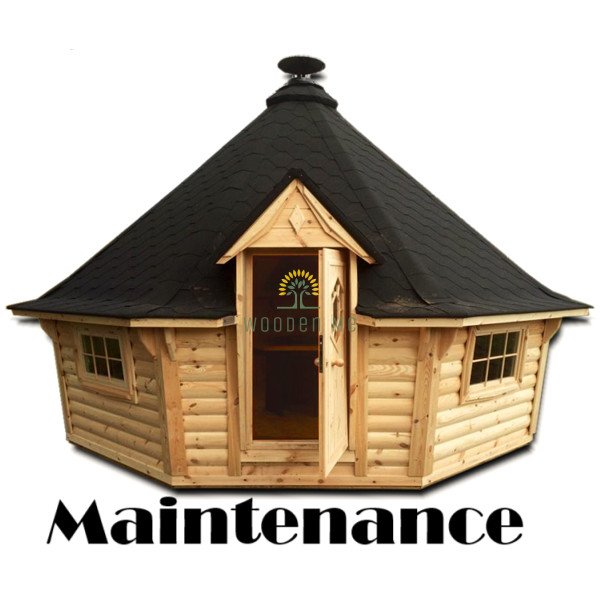
Mar
You’ve got your BBQ hut up, the first fire has been lit, and everything feels great. But here’s the thing most people don’t think about until something goes wrong: a pinewood structure sitting outside through rain, frost, summer heat and everything in between needs some attention to stay in good shape.
The good news is that BBQ hut maintenance isn’t complicated or time-consuming. Done right, it’s maybe a weekend of work per year. Done wrong, or not done at all, you’re looking at warped doors, greying wood, roof problems and a grill that smokes out the whole hut every time you light it.
This guide covers everything you need to keep your BBQ hut looking good and working properly for years to come.
How Often Does a BBQ Hut Need Maintenance?
The honest answer is that it depends on your climate. If you’re in Northern Europe where the hut faces genuine winters, wet autumns and hot summers, you need to be more on top of it than someone in a milder coastal climate.
As a general rule, plan for two proper check-ups per year. One in spring, once the worst of the winter is behind you, and one in autumn before the wet season sets in. Most of the actual work happens once a year. The rest is just keeping an eye on things.
Wood Treatment – The Most Important Thing You Can Do
BBQ huts are built from pinewood, which is a fantastic material for outdoor structures. It’s strong, it works with the central grill and chimney setup beautifully, and it looks great. But pinewood is a softwood, which means it absorbs moisture more readily than hardwoods and needs proper protection to stay in good condition.
Untreated pinewood left outdoors will start to grey within a season. Within a few years it will crack, and moisture will get into those cracks and start causing real damage. This is completely avoidable with regular treatment.
What to Use
For a BBQ hut, you want an oil-based exterior wood stain or a penetrating wood preservative. Avoid film-forming paints for the main walls because they trap moisture inside the wood rather than letting it breathe. A penetrating stain soaks in, protects from within and still lets the wood expand and contract naturally with temperature changes.
For the floor specifically, use a ground-contact approved preservative. The floor takes the most punishment from foot traffic, spilled drinks and heat from the grill area, so it needs a tougher treatment than the walls.
How Often to Treat
Once a year is ideal. Every two years is the minimum if you want to keep the wood in genuinely good condition. Don’t wait until the wood starts looking grey or cracked before treating it. At that point you’re repairing damage rather than preventing it, which is always more work.
How to Apply It Properly
- Clean the surface first and let it dry completely. Applying stain to damp wood is one of the most common mistakes people make. The stain sits on the surface rather than penetrating and wears off much faster.
- Apply on a dry day when the temperature is above 10 degrees Celsius. Most wood stains won’t cure properly in cold or damp conditions.
- Use a brush rather than a roller for the walls. A brush works the stain into the grain properly. A roller skims the surface.
- Pay extra attention to end grain, the cut ends of boards where they meet corners and door frames. End grain absorbs moisture faster than any other part of the wood and is where rot typically starts.
- Two thin coats are always better than one thick coat.
Roof Maintenance
Finnish bitumen shingles are the standard roofing material on most BBQ huts and they’re genuinely durable. A well-maintained shingle roof should last 15 to 20 years without major issues. But they do need checking.
What to Look For
Once a year, get up and have a proper look at the roof rather than just glancing at it from ground level. You’re checking for:
- Lifted or loose shingles, especially around the edges and the chimney flashing
- Moss or algae growth, which holds moisture against the shingles and speeds up deterioration
- Any areas where shingles have cracked or split
- The chimney flashing seal, where the chimney meets the roof surface
Moss is the most common issue and it’s easy to deal with early. A proprietary moss killer applied with a sprayer, left to work and then brushed off, sorts it out quickly. Left untreated, moss holds enough moisture to start lifting shingles and getting underneath them.
If you find lifted shingles, press them back down and seal the edges with bitumen roofing sealant. Replacements are cheap and easy to fit if any are badly damaged.
Grill and Chimney Maintenance
This is the part that directly affects how well your BBQ hut actually functions, and it’s the area most people neglect once the novelty of a new hut wears off.
The Grill
After every use, once the grill has cooled down, remove the ash and food residue. Ash left sitting in the grill draws moisture and causes the metal to rust faster. A quick clear-out after each session takes two minutes and significantly extends the life of the grill.
Once or twice a year, do a more thorough clean. Remove the grill grates, scrub them with a wire brush, and check the condition of the bowl and any moving parts. A light coating of cooking oil on the grates after cleaning prevents rust between uses.
The Chimney
Creosote and tar deposits build up inside the chimney over time. In a BBQ hut that gets regular use, check the chimney interior at least once a year. A significant buildup restricts airflow, causes the hut to fill with smoke and in extreme cases creates a fire risk.
The extendable chimney on most BBQ huts can be removed for cleaning. Use a chimney brush that fits the diameter of your specific chimney and work it from the top down. Do this outside or over a bin because it’s a dirty job.
Check the chimney cap and the seal where the chimney passes through the roof. Any gaps here let rainwater in, which causes rust on the chimney and potential water damage to the roof structure around the penetration point.
Smoke Extractor
If your hut has a smoke extractor rather than a standard chimney, clean the filters and fan housing at least twice a year. A blocked smoke extractor is immediately noticeable because the hut fills with smoke, but regular cleaning means you never get to that point.
Doors and Windows
The door and windows are the first places to show problems if the hut shifts on its foundation or if the wood swells significantly. A door that starts sticking or a window that won’t close properly is worth addressing immediately rather than leaving it.
Check the hinges, handles and locks annually. Tighten any loose screws, oil moving parts with a light machine oil or WD-40, and check that the door seal is intact and doing its job.
If a door or window is sticking badly, the most common cause is either swollen wood from moisture or the hut settling slightly on its foundation. A small amount of sticking in summer when the wood has absorbed moisture is normal and usually resolves itself as the wood dries out. Persistent sticking that doesn’t improve is worth investigating properly.
The glazing seals on the double-glazed windows should be checked every couple of years. If condensation appears between the panes, the seal has failed and the window unit needs replacing. This is a straightforward job but it’s better to catch it early before water gets into the frame.
Cleaning the Hut Interior and Exterior
Interior
The inside of a BBQ hut gets a particular kind of dirty from smoke, cooking grease and general use. Give it a proper clean at least once a year, ideally in spring.
Wipe down the walls and benches with a mild soapy solution. Pay attention to the areas around the grill where grease splatter accumulates. Clean the floor thoroughly and check underneath any removable bench sections where food scraps and moisture tend to collect.
Cushions should come inside or be stored in a waterproof bag over winter if they’re not specifically rated for outdoor storage. Cushions left in an unheated hut through a damp winter develop mould quickly.
Exterior
Once a year, wash the exterior walls with a mild detergent and warm water using a soft brush. Start from the top and work down. This removes the accumulated dirt, pollen, bird droppings and general grime that builds up over a season and gives you a clear view of the wood condition before you apply your annual treatment.
Let the hut dry fully before applying any wood stain or preservative. In good summer weather that means at least 3 to 4 dry days after washing.
Managing the Area Around Your BBQ Hut
This is something people don’t think about much but it makes a real difference to how long the hut stays in good condition.
Keep plants, shrubs and grass trimmed back at least 60 cm from the walls on all sides. Vegetation pressed against the walls traps moisture and blocks airflow, which are the two main conditions that accelerate wood deterioration and encourage mould growth.
Check that water drains away from the base of the hut after rain rather than pooling around it. If you notice water sitting against the base, improving the drainage in that area is worth doing. A gravel border around the perimeter is a simple solution that makes a noticeable difference.
If your hut is under or near trees, keep an eye on debris accumulating on the roof. Wet leaves sitting on the shingles hold moisture and are the main cause of moss growth.
Sealing Cracks and Gaps
Pinewood develops small surface cracks as it dries and ages. This is completely normal and not a structural concern. These small cracks are called checking and they happen because the outer surface of the wood dries faster than the interior.
Small surface checks under about 2 cm wide can be left alone. They don’t let in significant moisture and they’re part of the natural character of a timber structure.
Larger cracks, anything over 2 cm, are worth filling with a flexible exterior wood filler. The key word is flexible. Rigid fillers crack and fall out as the wood continues to move with temperature changes. A flexible sealant moves with the wood and stays in place.
Also check and reseal the joints around door and window frames every couple of years. These are the most common entry points for draughts and moisture, and keeping them sealed makes the hut noticeably warmer and drier in winter.
Pest Control
Softwood is more vulnerable to wood-boring insects than hardwood, and a BBQ hut that isn’t regularly treated can become attractive to them. The most common culprits in European gardens are wood-boring beetles, which leave small round exit holes in the timber.
Regular wood treatment with a preservative that includes insecticide is your main defence. If you spot signs of active infestation, small piles of fine dust beneath exit holes indicate fresh activity, treat the affected areas with a targeted wood preservative or consult a pest control professional for a more serious infestation.
Cedar oil applied to interior surfaces is a natural deterrent that works reasonably well as a preventative measure and smells pleasant in an enclosed space.
Winter Preparation
If you’re in a climate with proper winters, a bit of preparation in autumn makes a real difference to how the hut comes through to spring.
- Do your annual wood treatment before the cold sets in, not in spring after the damage is done
- Clear the roof of any accumulated leaves or debris before the wet season
- Store cushions and fabric accessories indoors or in waterproof storage
- Clean the grill thoroughly and give the grates a light oil coating before the hut sits unused for any extended period
- Make sure the chimney cap is secure so rain and birds can’t get in over winter
A Simple Annual Maintenance Schedule
If you want to keep it straightforward, here’s what the year looks like for a well-maintained BBQ hut:
Spring: Full inspection of roof, walls, door, windows and chimney. Wash exterior. Apply wood treatment if not done in autumn. Clean grill and chimney thoroughly. Check and tighten all fixings.
Summer: Clean grill after heavy use periods. Keep vegetation trimmed back from walls. Check for any wasp or insect nests in the roof structure.
Autumn: Clear roof of leaves and debris. Apply wood treatment. Check all seals and caulking around doors and windows. Store cushions. Clean smoke extractor if fitted.
Winter: Light monthly check after heavy storms. Make sure the chimney cap is secure. That’s about it.
That’s genuinely all it takes. A few hours in spring, a few hours in autumn, and the occasional quick check in between. A BBQ hut that gets this level of attention will easily last 20 to 30 years and look good for most of that time.
Browse our full range of BBQ huts here
Frequently Asked Questions About BBQ Hut Maintenance
How often should I treat the wood on my BBQ hut?
Once a year is ideal, every two years is the minimum. Treat before the wet season sets in rather than waiting until spring when the wood has already been through a winter without protection. Use a penetrating oil-based stain or exterior wood preservative designed for softwoods.
What is the best wood stain for a BBQ hut?
Look for a penetrating oil-based exterior stain that’s designed for softwoods like pine. It should be UV-resistant, water-repellent and breathable. Avoid thick film-forming paints on the main walls as they can trap moisture inside the wood. Brands like Osmo, Ronseal and Sadolin all make suitable products widely available across Europe.
How do I stop my BBQ hut filling with smoke?
The most common causes are a blocked or dirty chimney, a chimney that isn’t extended high enough, or using wet wood that produces excessive smoke. Clean the chimney at least once a year, make sure the chimney extends at least 50 cm above the roof line, and always use dry seasoned firewood. If the problem persists, a smoke extractor upgrade solves it permanently.
How long do BBQ hut roof shingles last?
Finnish bitumen shingles last 15 to 20 years with reasonable maintenance. Keeping moss off the roof, checking the chimney flashing seal annually and replacing any lifted shingles promptly will keep the roof in good condition for the full lifespan. Replacing individual damaged shingles is straightforward and cheap.
Can I pressure wash my BBQ hut?
It’s not recommended. A pressure washer forces water deep into the wood grain and can damage the surface of softer timber. Use a soft brush with mild soapy water instead. It takes a bit longer but it cleans just as effectively without risking damage to the wood or the existing stain layer.
My BBQ hut door is sticking – what should I do?
A door that sticks slightly in summer is usually just the wood swelling in humid conditions and will resolve itself as it dries out. If the sticking is persistent through all seasons, check whether the hut has settled on its foundation and whether the door frame is still square. Minor adjustment of the hinges often fixes it. If the frame has moved significantly due to foundation settlement, the foundation itself needs addressing.
How do I get rid of moss on my BBQ hut roof?
Apply a proprietary moss killer or a diluted solution of sodium hypochlorite to the affected area. Leave it to work for a few days then brush the dead moss off gently with a soft brush. Don’t use a pressure washer. Once the moss is gone, treating the shingles with a moss inhibitor product will slow regrowth significantly.