
BBQ Huts
Choosing the Perfect Foundation for Your BBQ Hut: A Simple Guide
Apr
Most people spend weeks choosing their BBQ hut. Size, style, roof colour, grill type. Then the hut arrives and they realise they haven’t properly thought about what it’s going to sit on.
It sounds like a small detail, but the foundation is genuinely one of the most important decisions you’ll make. Get it wrong and you’re dealing with an uneven floor, doors that won’t close properly, and moisture creeping up through the base. Get it right and your hut will stand solid for decades.
There are three foundation options that work well for BBQ huts. Here’s an honest look at each one so you can pick the right one for your garden.
The Three BBQ Hut Foundation Options
1. Pegged Base – Best for Uneven or Sloped Ground
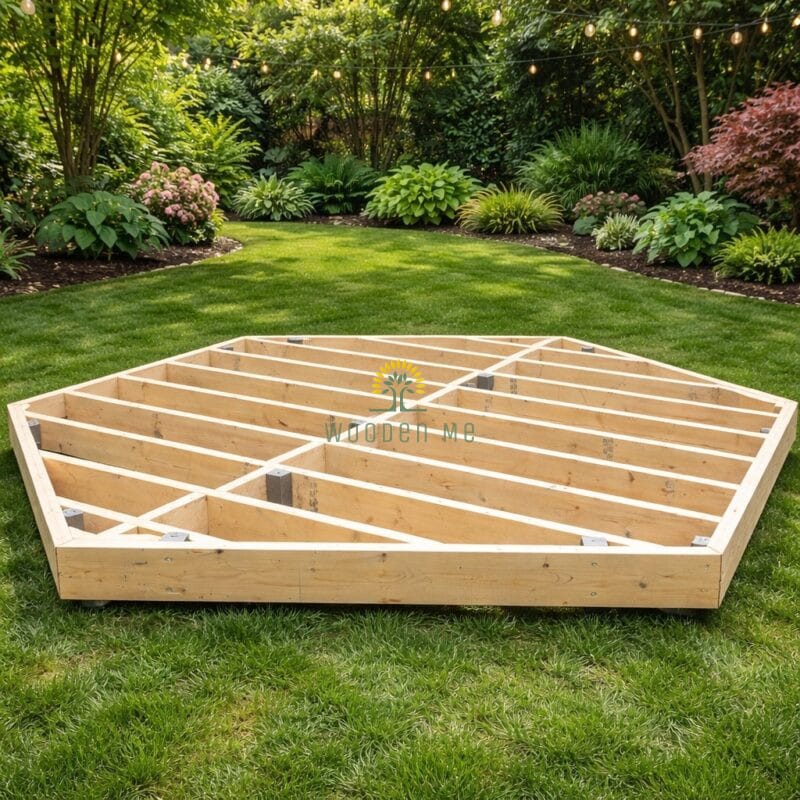
If your garden isn’t perfectly flat, a pegged base is the most practical solution. It’s also the quickest to install and works well in situations where you don’t want to commit to a permanent concrete structure.
The way it works is straightforward. Composite posts go into the ground and get secured with concrete. A framework of tanalised timber sits on top of those posts, a waterproof membrane goes down to deal with moisture, and the hut sits on that framework. The whole thing is adjustable, which is exactly what you need when the ground isn’t level.
This is the option most people go with when they’re installing on a lawn or in a corner of the garden that hasn’t been prepared beforehand. It’s cost-effective, requires minimal groundwork and you can have it ready in a day.
When to choose a pegged base:
- Your ground is uneven or has a slight slope
- You want a quick installation without heavy groundwork
- You’re working with a tighter budget
- You want flexibility to adjust the level during installation
2. Concrete Base – Best for Permanent Installations
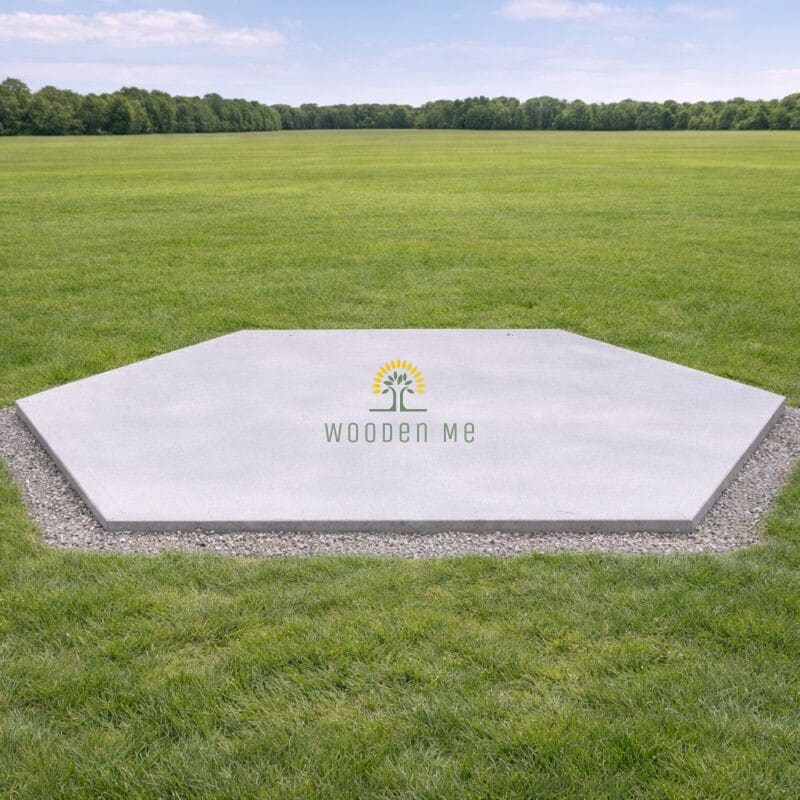
A concrete base is the most solid option available. If you’re putting up a larger hut, using it heavily year-round, or you simply want something that will never move, this is the way to go.
There are a couple of things to get right with a concrete base. First, the dimensions need to match your hut footprint precisely. Too small and the hut overhangs the edge, which creates structural problems. Too large and you end up with exposed concrete around the perimeter that collects water.
Second, ventilation matters. You need 4-inch soil pipes built into the concrete to allow airflow underneath the hut floor. Without them, moisture builds up and the floor timbers deteriorate faster than they should. This step gets skipped sometimes and it causes real problems down the line.
Cost for a concrete base typically runs between 1,200 and 3,000 euros depending on the size of your hut and your location. It’s not the cheapest option, but for a large hut that’s going to be a permanent fixture in your garden, it’s worth the investment.
When to choose a concrete base:
- You’re installing a larger hut, 14.9 m² or above
- The hut is a permanent feature and won’t be moved
- You want maximum long-term stability
- The area gets heavy use year-round
3. Wooden Base – Best for Flat, Ready Surfaces
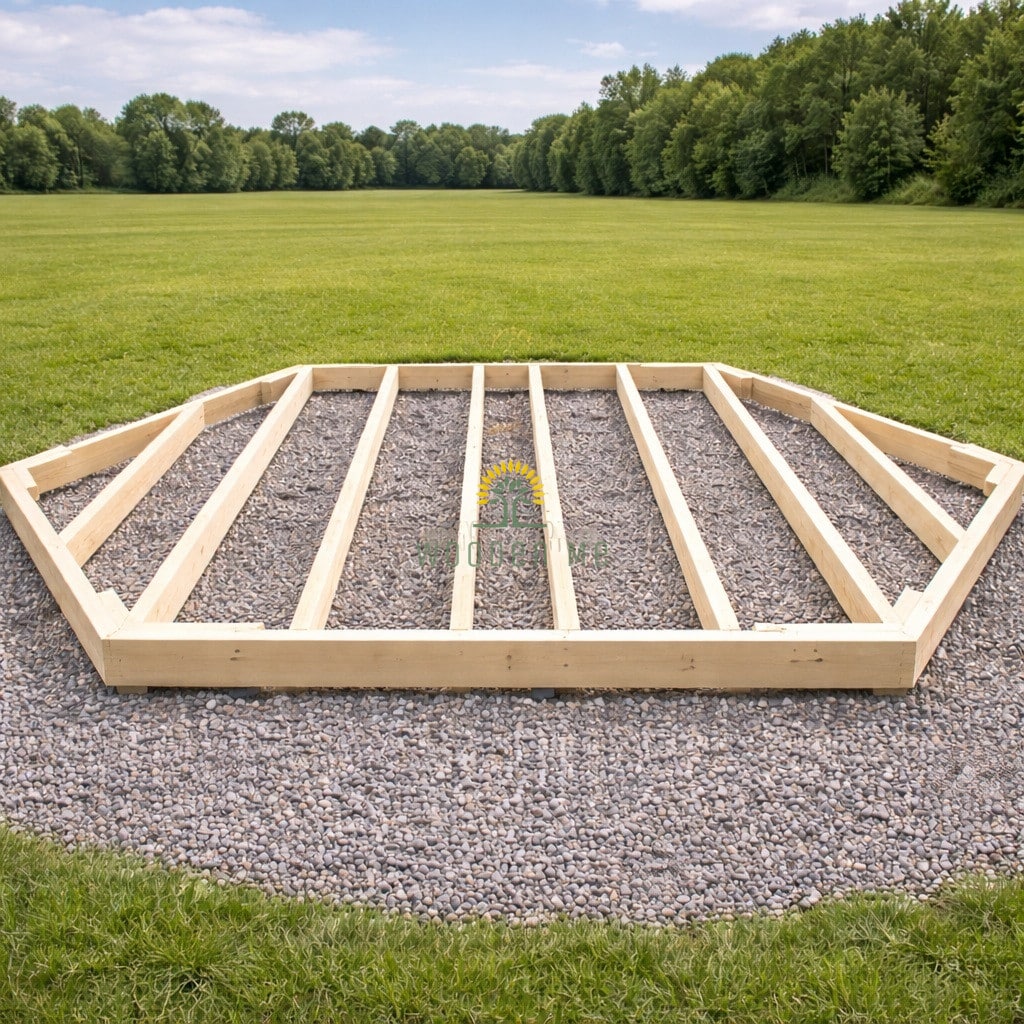
If you already have a flat, stable surface, a wooden base is the simplest and most affordable option. It works well on existing patios, decking areas or any firm hardstanding that’s already level.
The main thing to remember is that the base surface area should extend at least 1.5 metres beyond the hut’s footprint on each side. This gives you proper support across the whole structure and stops the edges from sagging over time.
Unlike the concrete option, you don’t need to install soil pipe ventilation with a wooden base. The natural airflow through and around the timber framework handles ventilation well enough, provided the surface underneath is stable and dry.
This is the quickest option of the three if the conditions are right. If your garden already has a suitable hard surface, you could be ready for your hut delivery within a day or two of preparing the base.
When to choose a wooden base:
- You have an existing flat patio, decking or hardstanding area
- The ground is level and stable
- You want the fastest, most affordable setup
- You may want to reposition the hut in the future
Which BBQ Hut Foundation Should You Choose?
Here’s the short version:
- Uneven or sloped ground – go with a pegged base
- Permanent installation or large hut – go with a concrete base
- Flat, stable surface already in place – go with a wooden base
If you’re still not sure which option suits your garden best, the most common mistake is underestimating how uneven a garden actually is. Before you decide, put a long spirit level on the ground where the hut is going. If it’s more than a few centimetres out across the full footprint, a pegged base will save you a lot of frustration.
One more thing worth mentioning: whatever foundation you choose, have it fully ready before your hut delivery arrives. Assembly goes much more smoothly when you’re not trying to sort the base at the same time as building the hut.
Browse our full range of BBQ huts here
Frequently Asked Questions About BBQ Hut Foundations
Does a BBQ hut need a concrete base?
No, a concrete base is not required for every BBQ hut. It’s the best option for permanent, large-scale installations, but a pegged base or wooden base both work well depending on your ground conditions. The most important thing is that whatever base you use is level, stable and properly prepared before the hut arrives.
How level does the ground need to be for a BBQ hut?
The base needs to be as close to perfectly level as possible. Even a small amount of unevenness across the full footprint causes problems with door alignment and floor gaps. If your ground isn’t level, a pegged base lets you adjust for this during installation.
How big does a BBQ hut foundation need to be?
For a concrete base, the dimensions should match the hut footprint precisely. For a wooden base, the surface area should extend at least 1.5 metres beyond the hut on each side. For a pegged base, the posts should be positioned to cover the full footprint of the hut with no overhang.
Do I need ventilation under my BBQ hut?
Yes, ventilation matters. If you’re using a concrete base, 4-inch soil pipes need to be built in to allow airflow beneath the floor. Without proper ventilation, moisture builds up and the floor timbers deteriorate over time. Wooden and pegged bases allow natural airflow and don’t require additional ventilation pipes.
Can I install a BBQ hut on decking?
Yes, existing decking works well as a foundation for a BBQ hut, provided it is flat, structurally sound and large enough to extend at least 1.5 metres beyond the hut footprint. Check that the decking boards are in good condition and not showing signs of rot or movement before placing the hut on top.
How much does a BBQ hut foundation cost?
A pegged base is the most affordable option and can be completed for a few hundred euros depending on your location. A wooden base on existing hardstanding costs very little if the surface is already in place. A concrete base is the most expensive, typically ranging from 1,200 to 3,000 euros depending on the size of the hut and local labour costs.